
15 Gap Year Ideas for Students Who Want to Travel and Grow
Gap years have changed. A gap year isn’t what it used to be. It’s no longer just “backpacking for a year and figuring it out as you go.” Today’s students want to experience the same things they’ve always wanted – new places, new people, a break from the daily classroom grind – but they also want the year to have some meaning. They want to develop stories and skills, but increasingly, they want something to show for it when they get back home – a language, a transcript, an outstanding line in the resume.
The great news is that a gap year can deliver both things, depending on your goals. Below are 15 ways students are spending their gap years right now – from classic volunteering trips, to paid work abroad, through to structured, immersive programs abroad. Whatever mix of adventure and structure you’re after, there’s a version built for you and your needs.
1. International Volunteering
Volunteer placements are available in conservation, education, healthcare support, or community development, and they remain one of the most popular gap year paths – and for good reason. They provide immersive cultural exposure, hands-on skill-building, and the kind of humbling, perspective-shifting experiences that are hard to acquire any other way. Look for programs with clear structure and ethical standards – avoid the “voluntourism” traps – and for genuine, sustained community partnerships rather than short-term drop-in projects.
2. Professional Internships and Mentoring
Not every internship needs to involve a plane ticket. Structured internship and mentoring programs, whether through university alumni networks, industry associations, or dedicated gap year placement agencies, will pair you with a working professional in your specific field of interest, and provide you with real project work – not just coffee runs. These programs are particularly valuable for those students who know roughly what career they’re aiming toward and want a genuine head start – a mentor who can write a genuine letter of recommendation, a portfolio of real project work. They also provide a clearer sense of whether that career is a true fit for you – before you commit to four years of study and tuition.
3. Paid Work Abroad
Whether it’s ski resorts in the Alps, hospitality jobs in Australia, au pair placements across Europe, paid work abroad lets you fund your travels whilst building real work experience and independence. Many countries offer working holiday visas for students under 30 years of age, making this one of the more economical and financially sustainable ways to spend a gap year. It’s also a fast track to a new culture and often a new language too, since you’re working alongside locals or within a family environment, and not just passing through as a tourist.
4. Language Immersion Programs
If fluency in a foreign language is the goal, nothing beats total immersion – living with a host family, attending language school, and being required to use the language in daily life. Popular options include Spanish immersion in Latin America, French programs in Quebec or France, and Mandarin immersion either in Taiwan or mainland China. These language immersion programs are typically shorter in duration and more affordable than full-year options, making them easy to combine with other gap year experiences as appropriate.
5. Research and Fellowship Programs
If you’re drawn to a specific field of interest, whether that be marine biology, environmental science, public health or archaeology to name a few, look for gap year research programs and fellowships that enroll you on an active field research team, often staying in a single location for an extended period. These programs are typically run through universities, research institutions, or nonprofit organizations, and give you knowledge and experience that most internships can’t, such as real data collection, co-authorship of and/or acknowledgment on published work, and a depth of subject-matter knowledge that stands out on both grad school and job applications.
6. WWOOFing and Farm Stays
Worldwide Opportunities on Organic Farms (WWOOF) connects travelers with organic farms around the world. In exchange for room, board, and hands-on agricultural experience, it provides an economic and budget-friendly way to travel during your gap year. It appeals to students wanting a slower, more grounded pace than city-hopping allows – plus the benefit of a crash course in sustainability and self-sufficiency.
7. Teaching English Abroad (TEFL)
TEFL-certified students can teach English in classrooms across Latin America, Asia, and Europe, often with paid stipends or the inclusion of living allowances. It’s an authentically useful gap year for any student considering education, international development, or who simply wants a longer-term placement in one country rather than traveling to several destinations -these opportunities are often 6-12 months in duration.
8. Outdoor and Adventure Leadership Programs
Organizations like NOLS and Outward-Bound run wilderness expedition programs, including mountaineering, sea kayaking, and backpacking, which build leadership and outdoor skills through physically demanding, instructor-led courses. These programs are usually shorter, weeks rather than months, but more intense. Many offer college credit or transferable leadership certifications, making them a viable complement to a more travel-focused gap year.
9. Cultural Immersion Homestays
Homestay-based immersion programs place students directly with local families for an extended period, weeks to months, with the goal of deep cultural and language fluency rather than tourism. These are especially popular as a first gap year experience for students who want structure and built-in support through a host family, while still getting the full “living abroad” experience.
10. Service or Mission Trips
Service and mission trips remain one of the most established gap year paths, popular with students drawn to faith-based work, community development, and disaster relief. They range widely both in format and duration – with short-term trips of a few weeks focus on a specific project, such as building homes, supporting a school, or running a health clinic, and longer-term placements lasting several months to a year that embed you with a single organization or community. Faith-based programs are common, with many churches and religious organizations running structured gap year mission programs, but secular and interfaith versions also exist, provided by organizations focusing purely on humanitarian or development work. The best programs are transparent about where your time and money are directed, pair you with trained local staff rather than leaving you unsupervised, and incorporate genuine skill-building, such as construction, healthcare support, and teaching, rather than just short-term labor. It’s a strong fit for those students who want their gap year anchored in service and community, with built-in structure and a clear sense of purpose from the outset.
11. Study Abroad “Lite” (Non-Degree Courses)
Some universities and independent institutions offer non-degree study abroad terms. You could take courses in Florence, Barcelona, or Kyoto without being enrolled in a full degree program there – it scratches the “study abroad” itch without committing to a full semester of your actual degree. Many of these programs are specifically designed for gap year students rather than enrolled undergrads.
12. Remote Work, Freelancing, and Building a Business on the Road
For students with a marketable digital skill, such as writing, design, coding, marketing, video editing, etc, a “digital nomad” gap year is increasingly viable. It can also go beyond freelance work; some students use the year to launch something business wise – a small e-commerce shop, a content or social media brand, a freelance consultancy, or a service business built around a skill they’re genuinely learning in real time. Others use the flexibility of remote work to pick up new skills whilst traveling, through online courses, bootcamps, or certifications, in topics such as coding, digital marketing, UX design etc, treating the year as both an opportunity for self-directed education and an income source. This option requires more self-motivation and financial discipline than most of the other options on this list, since it is self-driven with no program staff or structured itinerary keeping you focused. For entrepreneurial students though, it’s one of only a few gap year paths that can produce a tangible asset over the course of your gap year, such as a business, a client roster, and/or a new skill set.
13. National and Federal Service Programs
Organizations such as AmeriCorps and Peace Corps Prep and similar service programs offer structured and often paid service opportunities domestically or in the case of Peace Corps, post-graduation, internationally. These programs are well thought of and carry weight on resumes and grad school applications, and they’re a solid option for students drawn to policy work or public service.
14. Summer Camp Counselor + Ski Season Instructor Combo
For students wanting genuine work experience alongside adventure without leaving the country, combining a summer camp counselor job with a winter ski or snowboard instructor season is a great opportunity and, surprisingly, it’s often overlooked as a gap year combination. Summer camps across the U.S. hire counselors for leadership, outdoor skills, activity instruction, and childcare, and activity instruction. Counselors are given genuine responsibility and a pay check, very often with room and board included. When camp wraps up at the end of summer, the ski resorts across Colorado, Utah, Vermont, and other destinations start hiring seasonal ski instructors and mountain staff for the winter. Instructors are frequently offered a free season pass, with housing either included or discounted, together with instructor certification training. Combining these two opportunities together provides you with nearly a full year of paid, resume-building work experience including leadership, teaching, and customer service, plus a summer of lake days and a winter of powder days, all remaining within the U.S., avoiding the cost and logistics of an international placement. It’s a good option for students wanting structure and a pay check but who either aren’t ready or don’t have the budget for an international gap year.
15. Multi-Country Backpacking With a Purpose
Independent backpacking remains a popular gap year choice, but the students who get the best from it treat it like a project, not a wander. It’s best to build a skills-based itinerary around specific goals, such as surfing in Portugal, cooking classes in Thailand, or a trek in Nepal, rather than just randomly checking countries off a list. Booking an outline, loose route rather than a rigid one leaves room for detours, while setting a few concrete goals per country, such as a course, a certification, or a specific hike or site, prevents the trip turning into an expensive ramble. It’s both the most flexible and least expensive option here, but it also requires the highest level of self-motivation and planning to make it a true learning experience rather than a very long vacation.
How to Choose the Right Gap Year Idea
With 15 options on the table, the right choice will always come down to a few honest questions:
- Budget: Are you funding this yourself, or does it need to pay for itself (work abroad, camp/ski combo) or be one of the cheaper options, such as WWOOFing, backpacking?
- Structure: Do you want a program with an itinerary and built-in support, or full independence?
- Academic credit: Does your family, or your future self, need this year to actually count toward your degree, and not just your resume?
- Career relevance: Are you trying to build a specific skill set relevant to a particular career, or is this purely about exploration and growth?
- Support level: Do you want a host organization, host family, or program staff to support you, or are you comfortable figuring it out solo and making your own plans?
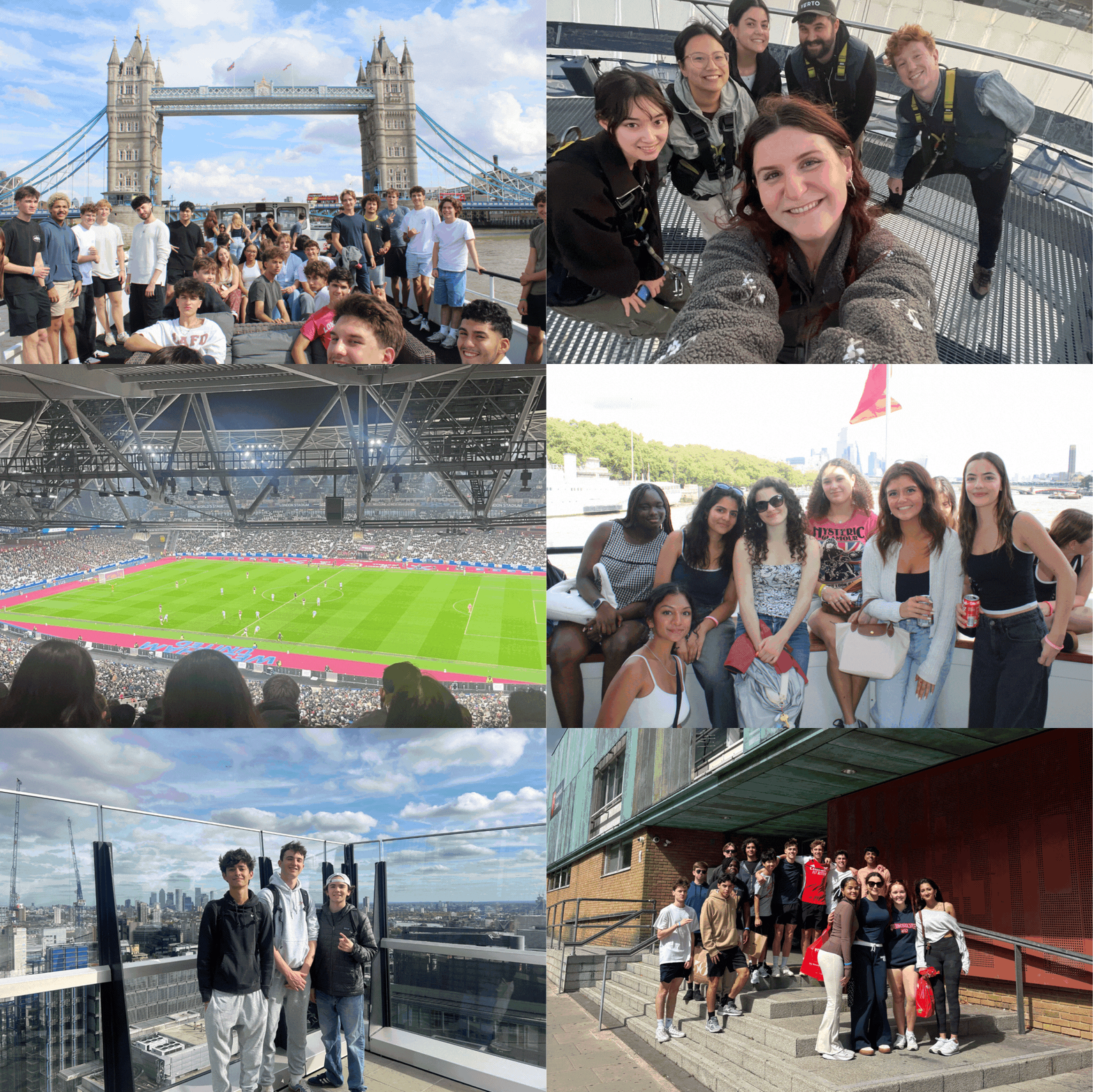
And if what you actually want is credit transfer, structured support, and career-building, without stepping away from your degree track, it’s well worth remembering that a full gap year isn’t the only route to get you there. Verto offers that same combination of travel, hands-on experience, and academic credit, built into the school year itself, for students who would rather not choose between “seeing the world” and “staying on schedule.”
The Bottom Line
A gap year doesn’t have to be a choice between “growth” and “productivity.” The best gap years can deliver both, giving opportunities to experience new places, genuine skills, and a year that authentically moves you forward rather than just putting life on pause. Whether that means volunteering abroad, working a ski season, or going all-in on a new language, the right gap year is the one that matches your own personal aspirations, and what you genuinely want from it.
If you’ve read this far and realized that what you genuinely want is the travel and growth without pausing your degree, then that is precisely what Verto is built for. It isn’t on the list above, because it isn’t a gap year. Instead, it provides an alternative to one, providing you with the opportunity to study, intern, and adventure abroad while staying enrolled and earning credit that transfers directly back to your school.
